Short-Term Rentals in Ellicottville: What Approval Doesn’t Automatically Cover
Ellen Fenton Insurance Company
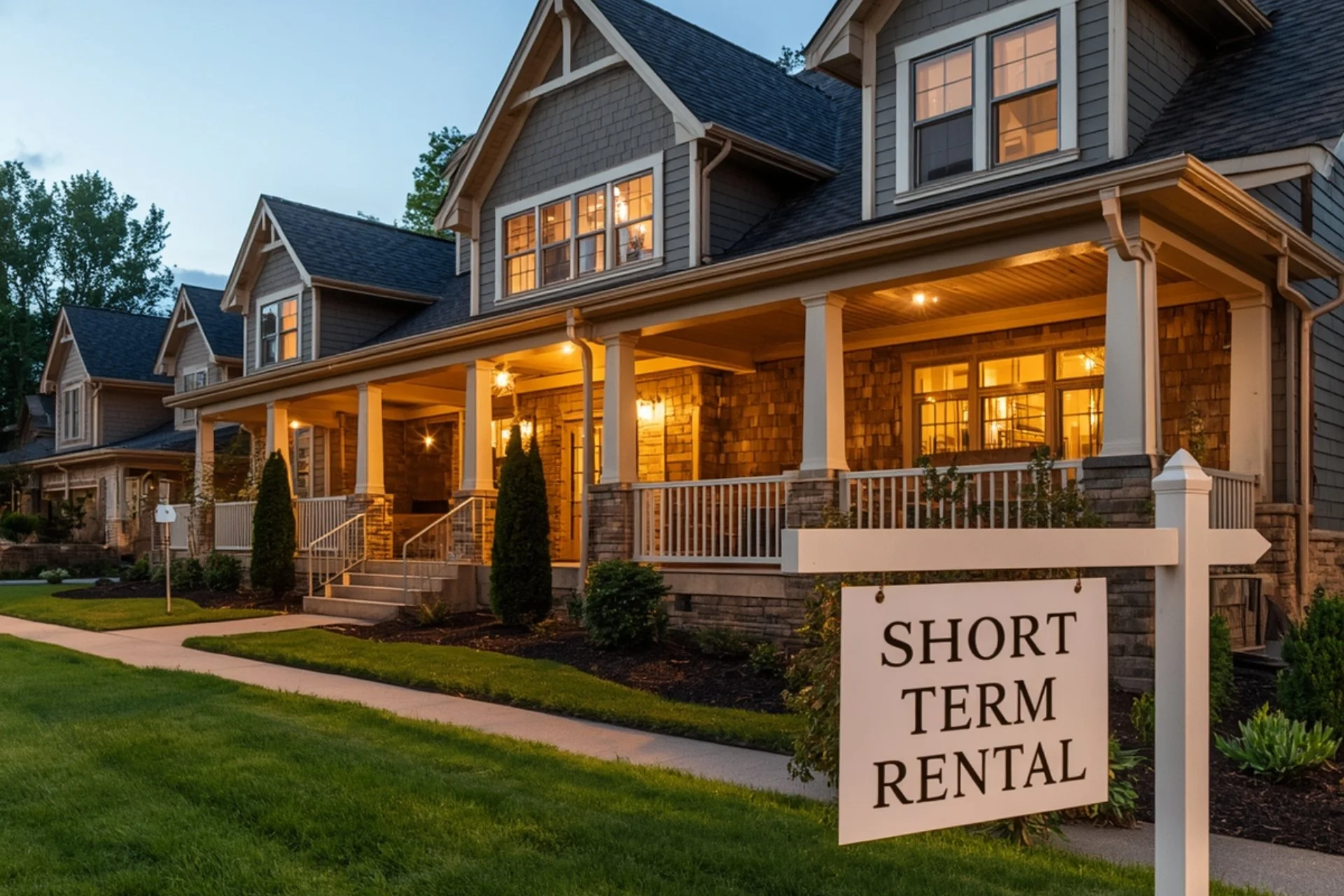
Ellicottville has become one of Western New York’s most recognizable destinations for weekend getaways, ski trips, weddings, seasonal stays, and year-round tourism. With that growth, more homeowners are looking at short-term rentals as a way to generate income from second homes, vacation properties, and investment properties.
But there’s one important piece that often gets overlooked:
Just because your property is approved, listed, or booked does not mean it is properly covered by insurance.
For many homeowners, the process starts with local requirements, permits, platform setup, photos, pricing, cleaning schedules, and guest communication. Those steps matter. But from an insurance standpoint, the bigger question is:
Has your property use changed?
Because when a home shifts from personal use to rental use — even occasionally — your coverage needs may change with it.
Approval Is Not the Same as Insurance Coverage
Local approval helps determine whether you are allowed to operate a short-term rental. Insurance determines how your property, liability, income exposure, and guests may be protected if something goes wrong.
Those are two very different things.
A property can be approved for short-term rental use and still have insurance gaps if the policy was never updated to reflect how the home is actually being used.
That matters because insurance companies look closely at occupancy, rental activity, guest turnover, business use, and property exposure. A home used only by your family carries a very different risk profile than a home being rented to new guests throughout the year.
Your Airbnb Listing Is Not an Insurance Policy
Many short-term rental platforms offer some level of host protection, but that should not be treated as a full replacement for a properly structured insurance policy.
Platform protections may have exclusions, limits, claim requirements, or situations they do not cover. They may also not fully address your mortgage requirements, property coverage, personal liability, loss of rental income, or the specific risks tied to your home.
For Ellicottville property owners, especially those renting during ski season, holiday weekends, wedding weekends, summer tourism, and special events, relying only on platform protection can leave important gaps.
A stronger approach is to review your insurance with someone who understands both personal lines and rental property exposure.
Why Standard Homeowners Insurance May Not Be Enough
A traditional homeowners policy is usually designed for a home you personally live in or use as a private residence. Once that property becomes a short-term rental, the exposure changes.
Your policy may need to account for things like:
Guest injuries on the property
Property damage caused by renters
Theft or vandalism
Loss of rental income after a covered claim
Higher liability exposure
Seasonal or vacant periods
Detached structures, hot tubs, fire pits, decks, or pools
Multiple guests accessing the property throughout the year
This is where many property owners run into trouble. They assume that because they “have homeowners insurance,” they are covered.
But the real question is not whether you have insurance.
The real question is whether your insurance matches how the property is being used.
Ellicottville Properties Often Carry Unique Risks
Short-term rentals in Ellicottville are not always simple properties.
Many include features or conditions that can increase exposure, such as:
Steep driveways
Winter weather conditions
Wood-burning stoves or fireplaces
Hot tubs
Decks and outdoor gathering spaces
Fire pits
Seasonal access concerns
High guest turnover
Out-of-town ownership
Limited supervision between stays
These details matter.
A rental home near a ski resort, village, or seasonal attraction may be used differently than a traditional year-round residence. Insurance should reflect that.
Yes, Insurance Rates in New York Feel High
Let’s be honest: one of the biggest complaints we hear from property owners right now is that insurance rates in New York feel high.
And for short-term rental owners, that frustration can be even stronger. You may already be managing mortgage costs, maintenance, cleaning fees, property taxes, utilities, guest expectations, and seasonal upkeep. Insurance can feel like one more rising expense.
But this is exactly why working with an independent insurance agency matters.
Not every carrier looks at short-term rentals the same way. Some may have strict guidelines around rental frequency, location, occupancy, amenities, claims history, or seasonal exposure. Others may offer different coverage options depending on how the property is used.
At Ellen Fenton & Company, we are not limited to one single insurance option. We can help shop coverage, compare available options, and look for a policy that balances both protection and cost.
Because the goal is not just to find the cheapest policy.
The goal is to find the right coverage for your property, your rental activity, and your risk — at the best available rate we can access.
When Your Home Becomes Income, Your Coverage May Need to Change
A short-term rental is more than a home. It may also be part of your income.
That means the risk is different.
If a guest gets hurt, if damage occurs, if a claim interrupts future bookings, or if your carrier determines the property was being used in a way that was not disclosed, the financial impact can be significant.
This does not mean short-term rentals are a bad investment. It means they need to be insured properly.
Before the next guest checks in, it is worth making sure your coverage is ready too.
Questions to Ask Before Renting Your Property
Before listing or continuing to rent your Ellicottville property, it may be time to ask:
Is my insurance company aware the home is being used as a short-term rental?
Does my policy allow short-term rental activity?
Am I covered if a guest is injured on the property?
Do I have enough liability protection?
Is rental income protected if the home cannot be rented after a covered claim?
Are hot tubs, fireplaces, decks, or other amenities properly disclosed?
Does my policy match how often the home is rented?
Do I need a landlord, rental dwelling, commercial, or specialty policy?
Would an umbrella policy make sense for added liability protection?
These questions are not meant to create fear. They are meant to create clarity.
When Your Property Use Changes, Your Insurance Should Be Reviewed
Short-term rentals can be a smart opportunity, especially in a tourism-driven community like Ellicottville. But the insurance should be reviewed before there is a claim — not after.
If you recently purchased a second home, converted a seasonal property into a rental, started listing your home on Airbnb or VRBO, or increased how often your property is rented, your policy may need to be reviewed.
At Ellen Fenton & Company, we help property owners understand what their current policy does and does not cover, where gaps may exist, and what options may be available based on how the property is actually being used.
Protect the Property. Protect the Income. Protect Yourself.
Short-term rental ownership comes with opportunity, but it also comes with responsibility.
Approval, bookings, and a beautiful listing are only part of the picture. The right insurance strategy helps protect the investment behind it.
If you own or are considering a short-term rental in Ellicottville or the surrounding Western New York area, Ellen Fenton & Company can help you review your coverage and better understand your options.
Before the next guest checks in, make sure your insurance is ready too.

Homeowners insurance can become outdated as your home changes. Here are five common questions Western New York homeowners should ask about renovations, finished basements, detached structures, water damage, and changes in property use.