Behind the Policy: What’s Changed in Insurance (And What You Need to Know)
Written for Ellen Fenton Insurance
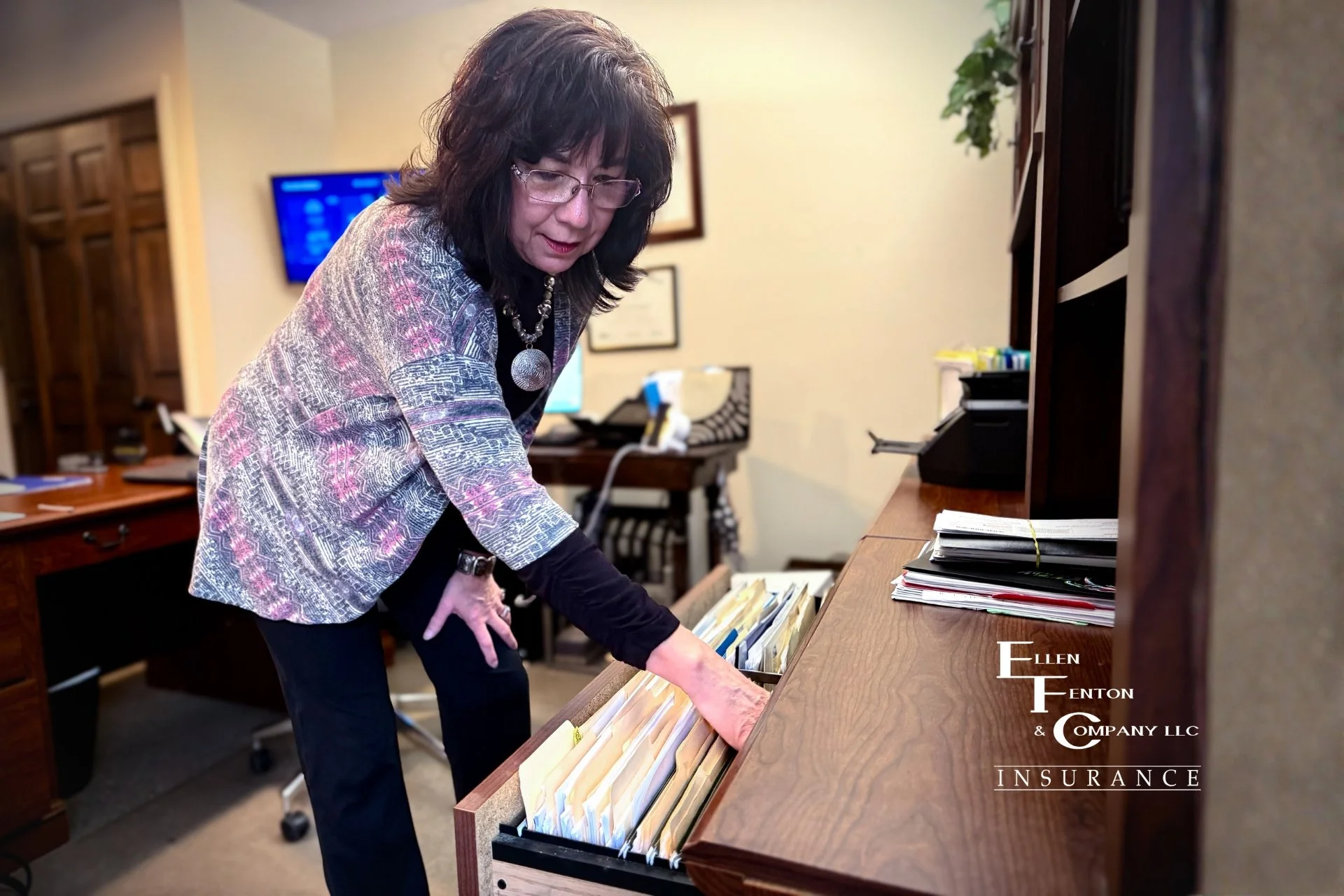
If insurance feels more complicated lately, you’re not imagining it.
We’re seeing it in more places than just renewals. Claims are taking longer. Coverage questions don’t always have simple answers. Policies feel tighter, even when nothing in your life has changed.
The reason isn’t sudden and it isn’t personal.
The insurance industry itself is still adjusting, and much of that change happens quietly behind the policy.
Insurance Isn’t One Single Decision
When people say “the insurance company,” it often sounds like one entity making one choice. In reality, insurance is shaped by many moving parts: carrier risk guidelines, claims data, state regulations, and broader economic conditions.
As those factors shift, policies are adjusted, sometimes long before policyholders ever see the impact. Local agencies don’t create these system-wide changes, but they do help translate what they mean in real life.
Claims Are Changing And That Affects Everything
One of the biggest influences right now is what’s happening on the claims side.
Claims today are more expensive and more complex than they were just a few years ago. Repairs take longer. Parts and labor costs fluctuate. Even straightforward claims often involve more steps and coordination than before.
Those realities don’t stop once a claim is settled. They influence how carriers evaluate risk, write coverage, and review policies going forward — even for people who have never filed a claim themselves.
Policies Are Becoming More Specific
Alongside claims changes, policies themselves are being written with more precision.
Higher deductibles are more common. Underwriting standards are tighter. Coverage approvals can change at renewal. Details like how a vehicle is used or how a property is maintained matter more than they used to.
Coverage isn’t disappearing, it’s becoming more specific.
Why Price Alone Doesn’t Explain What’s Happening
Many people assume rate changes are directly tied to individual claims. Sometimes they are, but often they aren’t.
Inflation, repair costs, labor availability, and overall claim severity affect pricing across the board. In states like New York, regulation adds another layer that influences how and when carriers adjust coverage and rates.
This is why focusing on price alone doesn’t always provide clarity and why understanding what’s behind the numbers matters more now.
What Insurance Companies Don’t Always Explain
Not because information is being hidden — but because the system isn’t built for education.
One important thing many policyholders don’t realize is that claims don’t just affect the claim itself.
Claims today are more expensive and more complex than they were even a few years ago. Repairs take longer. Labor and parts cost more. Even routine claims involve more steps behind the scenes. Those realities influence how insurance companies evaluate risk overall, not just for the person filing the claim, but across entire policy groups.
That’s why claims impact more than just payouts. They shape how coverage is written, reviewed, and priced going forward, even for policyholders who have never filed a claim at all.
This doesn’t mean claims are “bad” or that coverage is failing. It simply explains why insurance feels different now than it used to.
How to Navigate This Without Becoming an Expert
You don’t need to know insurance inside and out to make good decisions.
What helps:
Reviewing coverage regularly, not just pricing
Asking why changes are happening
Being honest about real-world usage
Working with someone who takes the time to explain, not rush
The goal isn’t perfect coverage.
It’s informed coverage.
The Bottom Line
Insurance still exists to protect people, families, and businesses. That hasn’t changed. What has changed is how claims, coverage, and risk are evaluated behind the scenes.
Clear conversations, not louder ones, are what help people navigate it with confidence. And that’s where guidance still matters.


Homeowners insurance can become outdated as your home changes. Here are five common questions Western New York homeowners should ask about renovations, finished basements, detached structures, water damage, and changes in property use.